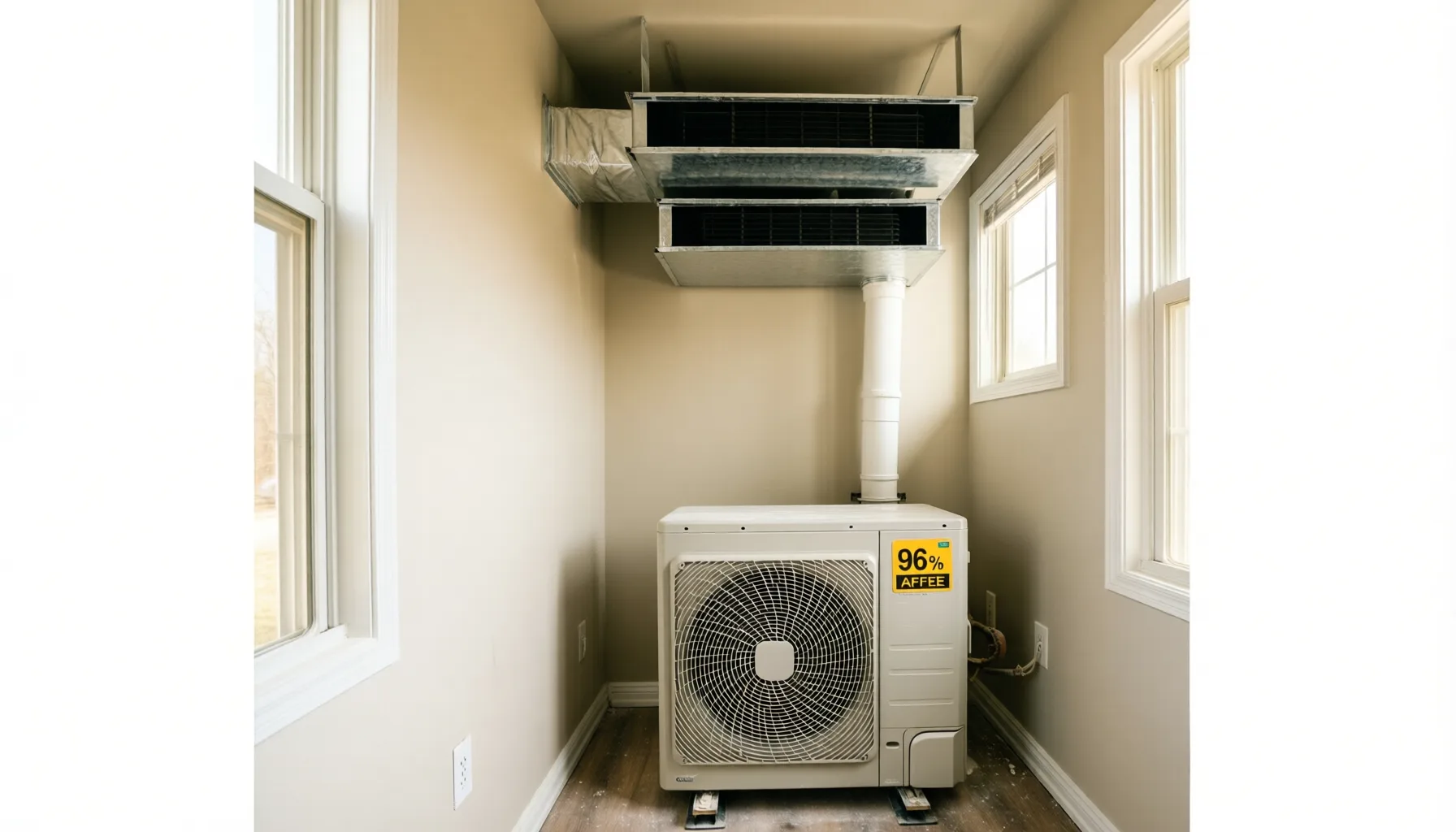
How to Detect Freon Leaks in Your Opa-locka AC System
Published: 2026-05-31 · By AC Repair Opa-locka Pros
If you’ve recently noticed a rise in your cooling costs or a decline in your AC’s efficiency, it might be time to investigate further. In a humid place like Opa-locka, where air conditioning is not just a luxury but a necessity, ensuring your system is leak-free is crucial. One common problem that homeowners face is Freon leaks, which can lead to costly repairs, health concerns, and increased energy bills. By understanding how to detect these leaks early, you can safeguard your home and your peace of mind.
Why This Matters for Opa-locka Homeowners
Freon, the refrigerant in your air conditioning system, plays a critical role in maintaining optimal temperatures during the scorching Florida heat. A leak not only reduces cooling efficiency but can also pose significant health risks due to low air quality and increased humidity levels indoors. In Opa-locka, where humidity and salt air are perennial issues, a loss of Freon also exacerbates corrosion in AC components, leading to more expensive repairs down the line.
Moreover, Florida's unique environment means homeowners need to be vigilant about their systems. With elevated houses and moisture barriers, condensation can become trapped and may lead to mold issues if the AC system is not functioning well. Understanding how to detect and address Freon leaks promptly can help you avoid more severe problems.
Tip: It's essential to schedule regular maintenance to ensure your AC system is in good shape and to help catch leaks before they escalate.
Identifying the signs of Freon leaks is crucial, as they can go undetected for long periods, leading to wasted energy, elevated humidity levels, and an uncomfortable living environment.
Expert Solutions & Actionable Tips
1. Understand the Symptoms of a Freon Leak
One of the first indicators of a Freon leak is a drop in cooling efficiency. If your AC system struggles to reach the desired temperature, particularly during peak summer months, this could be a sign of a refrigerant deficiency. It's advisable to keep an eye on thermostat readings and ensure they align with indoor comfort levels.
Additionally, look out for ice formation on your evaporator coils. This is often a warning sign that there isn't enough refrigerant to absorb heat properly. A simple visual check might save you from further complications in an environment prone to high humidity.
2. Listen for Unusual Sounds
Often, an AC unit may emit strange noises when there's a refrigerant leak. A hissing or bubbling sound around your indoor unit could indicate that Freon is escaping. Pay attention to these noises, as they often signal that something is wrong and requires your immediate attention.
Consider utilizing a professional sound meter to determine if the noises are at a level atypical for your system. If noise levels increase, it’s a good indication of an underlying issue that might warrant further investigation.
3. Check the Air Quality
Poor indoor air quality can often be linked to insufficient refrigerant levels. Without proper cooling, humidity levels can spike, creating an environment conducive to mold growth. Be proactive—perform air quality checks regularly, especially during rainy seasons or tropical storms.
If you start to notice an increase in allergens or respiratory issues in your home, it's time to assess your AC system. Using a hygrometer can help you monitor indoor humidity and give you a clearer picture of your air quality conditions.
4. Examine Your Utility Bills
Freon leaks can cause your AC to work harder, resulting in increased energy consumption. If you've noticed a significant spike in your electric bill without any additional usage, it might be time to get your system evaluated for leaks.
Take a close look at month-to-month comparisons to see if there are any notable changes. This diligence can help you catch potential issues early before they require extensive repairs.
5. Use Soap Solution to Locate Leaks
A practical and cost-effective way to identify Freon leaks is by applying a soap solution to suspected areas. Mix dish soap with water in a spray bottle and target joints and connections. If bubbles start to form, you’ve likely located a leak.
This method can be particularly useful for homeowners looking to cut down on professional service fees before calling a technician. However, it’s best to always confirm with a qualified technician to ensure accurate diagnostics.
6. Schedule Regular Maintenance Checks
Preventative maintenance is key to ensuring the longevity and efficiency of your AC system. In the Opa-locka environment, performing thorough checks at least annually or bi-annually can catch refrigerant issues early on.
During these planned maintenance sessions, experienced technicians will inspect refrigerant levels, check for leaks, and address any minor repairs before they become significant problems. While costs can vary, expect to pay between $100-$200 per session, potentially saving thousands in unexpected repairs.
Opa-locka Climate & Local Context
Opa-locka’s climate is characterized by intense humidity and the occasional tropical storm, which can have a profound impact on the performance of air conditioning systems. The frequent exposure to salt air accelerates the corrosion of metal components, which is a growing concern for homeowners looking to maintain their AC units.
The unique building stock in Opa-locka also requires special considerations. Elevated homes often have built-in moisture barriers, which means that any failure in the cooling system can lead to significant humidity problems. This calls for vigilance—ensuring that your home’s air conditioning system is not only operational but properly maintained to guard against corrosion and moisture-related issues.
When to Call a Professional
Understanding when to attempt DIY fixes and when to call for professional help is crucial for any homeowner. While addressing Freon leaks may seem simple, engaging a qualified technician can prevent costly mistakes, especially in Florida’s challenging climate.
- Recurring AC performance issues after leaks are repaired.
- Unexplained rises in energy bills over multiple billing cycles.
- Presence of ice buildup on coils.
- Unusual sounds that persist after minor maintenance attempts.
- Foul odors emanating from vents.
- AC unit is more than 10-15 years old and showing signs of malfunction.
It's often best to leave repairs to seasoned professionals, especially for systems subjected to both intense humidity and salt air, enabling them to fully assess the integrity of your cooling system.
Frequently Asked Questions
How do I know if my AC has a Freon leak?
Signs of a Freon leak include reduced cooling efficiency, unusual noises, and ice buildup on the evaporator coils.
What should I do if I suspect a refrigerant leak?
Contact AC Repair Opa-locka Pros immediately to have a professional assess the situation.
Can I recharge my AC system with Freon myself?
While it's technically possible, handling refrigerants requires specific knowledge and tools, making it safer to rely on professionals.
What are the legal considerations for Freon handling in Florida?
In Florida, only certified technicians are allowed to handle refrigerants due to environmental regulations.
What maintenance can I perform to minimize Freon leaks?
Regular maintenance, such as checking for corrosion and keeping the unit clean, can help minimize the risk of leaks.
Get Expert Air Conditioning Repair Service in Opa-locka
Don't let a Freon leak disrupt your comfort during Opa-locka's sweltering summer months. If you have concerns about your AC’s performance, reach out to the experts at AC Repair Opa-locka Pros. Our trained technicians are ready to assist you with fast and effective repairs.
Call us today at (786) 386-4550 to schedule an inspection and ensure your home remains a cool oasis all summer long.